Exploring the psychology behind gambling what drives our bets
The Thrill of Uncertainty
The allure of gambling often lies in the thrill that comes from uncertainty. Players experience an adrenaline rush as they place their bets, not knowing if they will win or lose. This unpredictability can be exhilarating, providing a temporary escape from daily life. The excitement of a potential win can be so compelling that it outweighs the risks involved, pushing individuals to engage in gambling behaviors repeatedly. For more insights, check out https://drake-casino.info/, where the adventure continues.
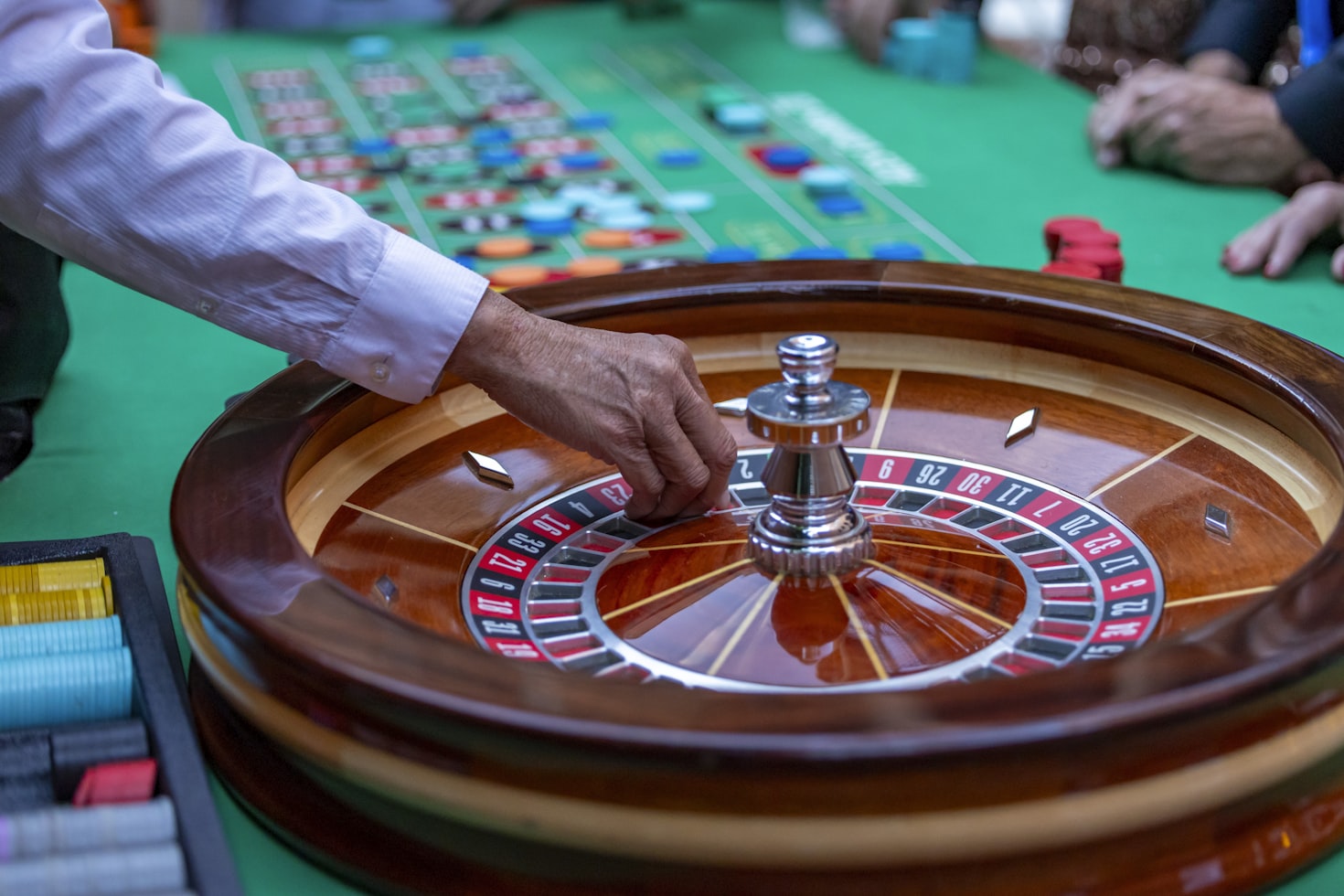
This psychological phenomenon taps into our natural desire for excitement and novelty. When people gamble, their brains release dopamine, a neurotransmitter associated with pleasure and reward. This biological response can reinforce gambling behaviors, leading players to seek out that high-risk environment again and again, often despite knowing the odds are against them.
The Role of Cognitive Biases
Cognitive biases play a significant role in how individuals perceive gambling outcomes. For instance, the illusion of control leads players to believe they can influence the outcome of a game, even in purely chance-based scenarios. This false sense of control can make gambling more appealing, as players feel empowered to affect their fortunes.
Additionally, the gambler’s fallacy—a belief that past outcomes will influence future ones—can lead players to make irrational decisions. For example, someone might believe that if a number hasn’t appeared in a roulette game, it is “due” to come up. Such cognitive distortions not only fuel continued gambling but also perpetuate the cycle of chasing losses, where players keep betting in hopes of winning back what they’ve lost.
The Social Aspects of Gambling
Gambling is often a social activity, with many people participating in games with friends or family. This social aspect can amplify the enjoyment and excitement, making it more than just a solitary endeavor. The communal environment fosters a sense of belonging and can encourage individuals to engage in gambling more frequently.
Furthermore, social pressures can influence gambling behavior. Observing peers win can instill a desire to join in, reinforcing the idea that gambling can lead to social rewards. This social validation can drive people to gamble not just for the thrill, but for the camaraderie that comes with it, making it a complex interplay between psychology and social dynamics.
Addiction and the Psychology of Gambling
Gambling can lead to addiction, a condition characterized by compulsive behavior despite negative consequences. The psychological mechanisms behind gambling addiction are deeply rooted in the brain’s reward system. The intense pleasure derived from wins, coupled with the despair of losses, can create a cycle that is hard to break.
Individuals may find themselves caught in a loop of chasing wins, often neglecting their responsibilities and relationships in the process. Understanding the psychology of gambling addiction is crucial for developing effective interventions and support systems for those affected, emphasizing the need for awareness and education about the risks of gambling behaviors.

Elevate Your Experience at Drake Casino
For those looking to explore the world of online gambling, Drake Casino offers a dynamic platform for enthusiasts. With a vast array of games and enticing promotions, players can dive into an immersive experience that reflects the thrilling aspects of gambling discussed earlier. The user-friendly interface ensures that both newcomers and experienced players can navigate the gaming landscape effortlessly.
Drake Casino not only provides the excitement of potential wins but also prioritizes player satisfaction with fast cash-out times and a commitment to responsible gaming. Engaging in this vibrant environment allows players to enjoy the thrill of gambling while being aware of their limits, making it a responsible choice for those seeking entertainment in the online gaming realm.